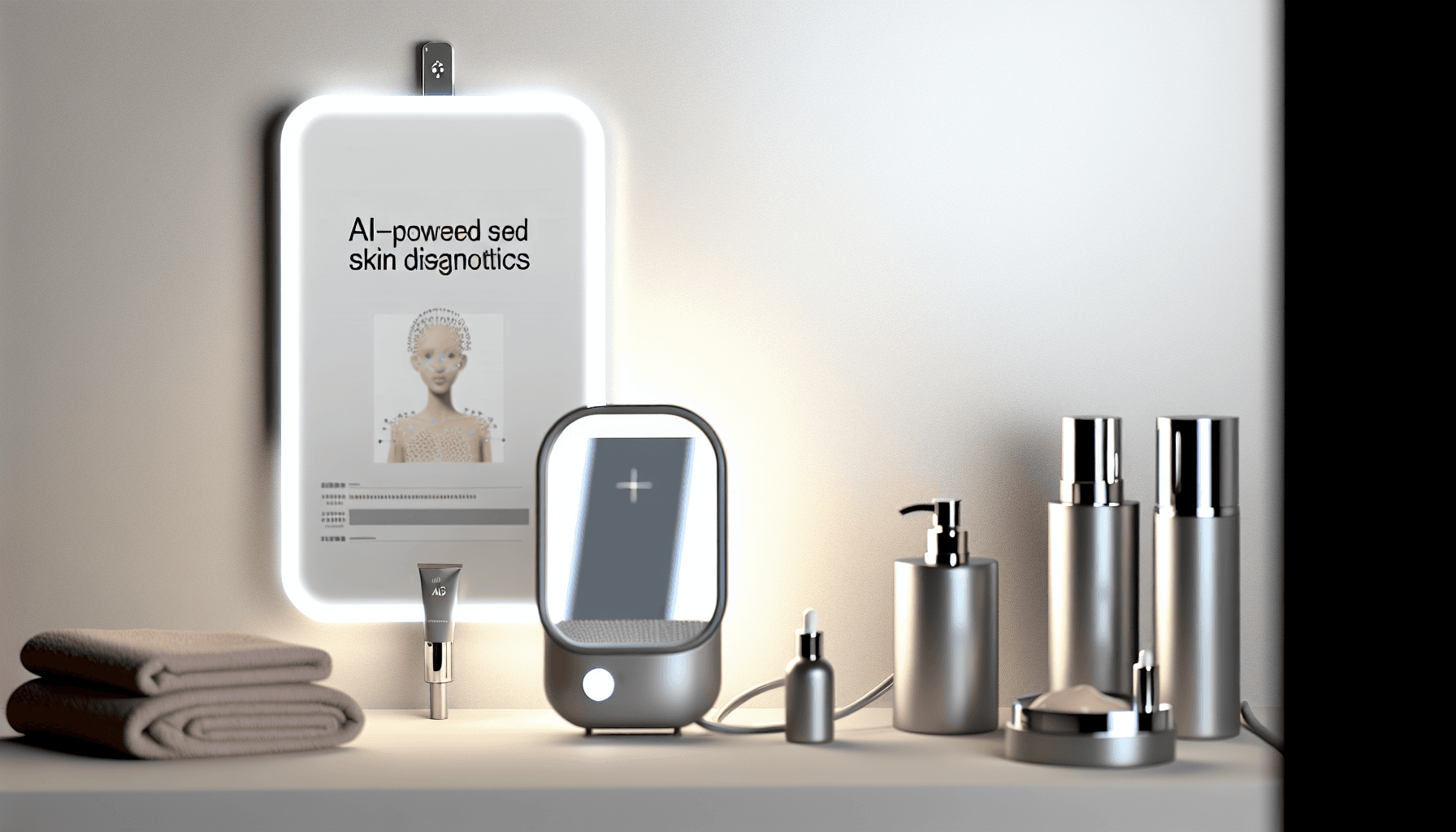
AI-Powered Skin Diagnostics: Revolutionizing At-Home Skincare Solutions
Artificial Intelligence (AI) is paving new paths across industries, and one of its most fascinating applications is in skincare. AI skin diagnostics is a cutting-edge tool that is transforming the way we understand and care for our skin. Utilizing high-resolution imaging, machine learning, and computer vision, this technology provides precise assessments of skin conditions like wrinkles, hydration, pigmentation, and inflammation. With up to 90% accuracy, these insights turn your smartphone into a powerful skincare ally.
It is essential to comprehend skin health fully, as it not only reflects our overall well-being but also influences our self-esteem. Recent advances in skin health technology have democratized access to professional-grade skin assessments, allowing users to transition from generic routines to accurate, data-driven regimens.
This revolutionary shift makes AI skin diagnostics an indispensable aspect of today's home skincare tools. Embracing these technologies ensures that users can keep their skin health monitored continuously, empowering them to make informed decisions towards personalized skincare solutions.
Understanding AI Skin Diagnostics
As we dive deeper into the arena of AI skin diagnostics, it becomes necessary to define what exactly this entails. AI skin diagnostics is an advanced technology involving the capture of multi-spectral images. These images encompass various dimensions of skin health—it uses AI algorithms to evaluate multiple metrics such as fine lines, UV damage, pore size, texture, and pigmentation, among others. These comprehensive analyses ensure a complete understanding of an individual’s skin profile.
One of the groundbreaking features of this technology is its ability to benchmark results against age-specific standards. Unlike human observations, which can sometimes miss subtle changes, AI skin diagnostics capture subsurface skin issues early. For instance, fine lines or pigmentation variances that might go unnoticed in routine inspections are detected early by AI tools. This early detection is invaluable for timely intervention and prevention of further deterioration.
The magic behind such precision lies in advancements in deep learning and machine learning. Utilizing vast datasets and high-level processing capabilities, these technologies simulate various scenarios and provide predictive insights. With precision algorithms, the technology not only assesses current conditions but can also simulate potential future developments, giving users a clear roadmap towards achieving their desired skin health outcomes.
It is these intricate factors that position AI skin diagnostics far ahead of traditional methods, providing unparalleled insights into skin health and offering a detailed map of the journey towards improved skin wellness.
The Rise of Home Skincare Tools
With the rise of home skincare tools hailed as game-changers, individuals can experience dermatologically authoritative evaluations without ever stepping foot in a clinic. Smartphones today, armed with sophisticated applications like Cetaphil's MySkin, Revieve, and Haut.AI, double as diagnostic devices. They assess over 200 skin health metrics seamlessly.
These tools transform how people approach skincare by shifting from a broad-brush treatment approach to an intricate, personalized regimen. Whether it's analyzing moisture levels, examining pigmentation, or providing reports on UV damage, these apps cover a wide gamut of skin health factors.
An essential benefit of these home tools is their convenience. Users can track their skin's health over time without needing to schedule clinic consultations. Regular evaluations become an integrated part of daily life, ensuring no sudden changes or problematic conditions go unnoticed.
The burgeoning market of AI skincare solutions reflects its growing importance. Significant brands like Dermalogica and Neutrogena have embraced such technologies, acknowledging the invaluable insights AI can provide. Experts predict this market will surge to an estimated $45 billion by 2025, as the quest for tailored, intimate skincare guidance drives demand for these intelligent devices.
These devices represent not merely a trend but the future of skin health management, blending advanced algorithms with user-friendly interfaces to deliver high-grade analyses in the comfort of home.
Benefits of AI Skincare Devices
AI skincare devices are not only revolutionizing skin assessments but also bringing professional-level precision directly into users' hands. One of the standout advantages of these devices is increased accuracy. Delivering results almost on par with human dermatologists—with studies revealing up to 90% diagnostic precision—they empower users with credible insights.
Personalization is another strong suit of AI skincare devices. They generate customized skincare regimens by tapping into individually-tailored data. Such personalization is instrumental in improving brand conversions as users find solutions specifically designed to cater to their needs. This personalization builds trust, as users observe real changes from dedicated, data-backed plans.
The buzz around AI skincare devices also encompasses their capacity for real-time monitoring. These devices allow users to track skin health over time, offering alerts on issues like inflammation long before they become apparent. Engaging with detailed historical data and before-and-after scans enables users to measure progress effectively and make informed skincare adjustments.
Real-world case studies vouch for the effectiveness of AI assessments. For instance, users have reported early detection and resolution of concerns such as redness from allergens, showing dramatic improvement in just a few short weeks. Such outcomes highlight the efficiency and transparency that AI devices bring to skincare routines, making informed, consistent skin care attainable for everyone.
Exploring Skin Health Technology
Skin health technology integrates a plethora of innovations like imaging, sensors, and computer vision to provide an enhanced understanding of various skin parameters. By focusing on microscopic detection, AI skincare devices give unparalleled insight into pore patterns, skin texture, hydration levels, and more, at a level previously confined to lab environments.
This advanced analysis offers substantial benefits, particularly in the early detection of skin issues. Conditions like rosacea and melasma present detectable patterns long before visible symptoms appear. AI diagnostic tools can detect such changes early, facilitating prompt intervention strategies.
Exciting ongoing innovations are shaping the future of skin health management. We are on the brink of witnessing wearable AI technology incorporated into our skincare regimes, enabling continuous monitoring. Similar forecasts predict greater integration of genetic-based formulations, tailoring skin treatments down to the molecular level for each user.
Technologies like Revieve's patented algorithms have set impressive precedents with predictive capacity, enabling the simulation of product responses before actual application. This tech-savvy approach continues to evolve, promising a future where skincare is both proactive and preemptive.
The future of skin health technology, with its myriad innovations, signals an era of intelligent skincare—encompassing devices that anticipate needs and provide strategic treatments rooted in vast data-driven insights.
Choosing the Right AI Skincare Device
Navigating the array of available AI skincare devices can seem intimidating, but understanding key factors can guide you towards making the right choice. Accuracy should be your priority, with 90%+ precision being optimal for reliable results. Coverage of metrics is crucial too, with an ideal device evaluating over 200 skincare facets.
Ease of use cannot be overstated. Devices that use selfies for analysis provide seamless integration into daily life, ensuring consistent application of the technology. Ensuring these devices fit within existing skincare routines further strengthens their utility.
Moreover, privacy features should not be overlooked. With concerns over data handling prevalent in today’s digital age, selecting devices with stringent privacy measures ensures that your personal information remains secure.
A detailed comparison of popular devices like Revieve, Haut.AI, Cetaphil MySkin, and Meicet Analyzers provides excellent insights:
- Revieve: Excelling with 200+ metrics, real-time feedback, and huge consumer endorsement makes it ideal for personalization.
- Haut.AI: Known for its product response simulation—perfect for brands seeking predictive analysis.
- Cetaphil MySkin: Consumer-centered, it offers routines tailored perfectly for beginners, for seamless everyday use.
- Meicet Analyzers: Known for its balanced approach, it suits both professionals and home users aiming for a comprehensive review.
User-generated reviews underscore the benefits of accessibility and effectiveness, making these tools invaluable for those eager to leverage technology for enhanced skincare.
The Future of AI in Skincare
The future of AI in skincare holds immense potential. As technology advances further, we can expect enhancements in diagnostics, integrating environmental simulations with tools like SkinGPT to predict individual skin responses to different conditions.
Yet with great promise, ethical considerations also arise. The topic of data privacy remains critical, especially with the processing of sensitive image data. Developers emphasize secure and anonymized information handling to ensure consumer trust remains steadfast.
An interesting facet of AI's evolution is the role of consumer feedback in shaping enhancements. Algorithms are regularly refined through user input, which aids in optimizing device performance and satisfaction. Brands like Meicet and Haut.AI see higher user satisfaction rates where direct consumer feedback has been intricately woven into algorithm iterations.
Innovative prospects, including customized genetic skincare products, are poised to revolutionize personal care. Continuous research underlines the importance of aligning AI developments with ethical use and consumer-centric solutions, ensuring that every stride taken enhances the skincare experience responsibly and effectively.
Conclusion: AI Skin Diagnostics in Everyday Skincare
As we multiply strides forward, the capability of AI skin diagnostics to transform skincare regimens becomes ever clearer. AI diagnostic tools provide users with access to professional-grade analyses without leaving their homes by evaluating real-time data on skin health, harnessing insights and patterns unique to each individual.
Such advanced integrations enable users to switch from generic products to personalized, targeted care that addresses unique skin concerns proactively. By incorporating AI technology into their routine, individuals enhance their skincare journey from average to exceptional, moving beyond expectation with every use further personalized and informed.
AI skincare devices herald an exciting age in skincare, one where personal care is backed by scientific analysis, resulting in healthier skin and confident users. This technology is no longer a luxury—it's a vital part of staying aligned with your skin's evolving needs.
Call-to-Action: Dive into AI Skincare
Ready to explore the benefits of AI in skincare for yourself? Take the step towards smarter skincare decisions by exploring the AI skincare devices discussed in this post. Experience the transformation personalized insights can bring.
We're eager to hear your stories too. Share your experiences with AI skin diagnostics in the comments section and let the discussion advance skin health understanding for everyone involved.
FAQ Section
What are the unique advantages of using AI for skin diagnostics compared to traditional methods?
AI skin diagnostics offer numerous benefits over traditional methods. The most notable is its precision in detecting subsurface issues before they become visible to the naked eye. AI can evaluate a vast range of skin metrics and offer predictive insights, making it more comprehensive than human observation. In addition, its ability to provide tailored recommendations based on individual data further enhances efficacy in personalizing skincare regimens.
How do AI skincare tools maintain user privacy regarding data?
Privacy is a top priority for companies developing AI skincare tools. Devices and apps emphasize secure data handling by anonymizing and encrypting personal information, ensuring that users' data remains confidential. Understanding these measures is essential when choosing a device, allowing you to trust their use and integration into your skincare routine.
Can AI skincare technology assist in preventing skin diseases?
Yes, AI skincare technology plays a significant role in the early detection of potential skin issues, which is crucial for preventing the progression of certain skin diseases. By identifying conditions like rosacea or risks of pigmentation issues early, AI tools facilitate timely interventions, providing strategies that help prevent escalation into more severe problems.
How often should one use AI skincare devices for ongoing effectiveness?
For optimal results, it is advisable to integrate AI skincare devices into your routine regularly—ideally conducting evaluations each week. Consistency allows for monitoring progress efficiently, making adjustments to skincare routines as necessary and ensuring that solutions remain aligned with changing skin conditions.
Are there any specific skin types or conditions that benefit more from AI skin diagnostics?
AI skin diagnostics benefit all skin types by providing personalized care suited to individual needs. However, individuals with specific concerns such as severe acne, deep pigmentation issues, or objective data-driven paths towards rejuvenation and repair may find particular advantages in utilizing these tools, given their ability to tailor solutions precisely to these prevalent issues.