Enhancing Mobile Apps with Real-time Skincare Product Scanning
In the digital age, the transformation in how users interact with technology is swiftly progressing. At the heart of this transformation lies real-time analysis, a pivotal component not only enhancing user experience but also increasing operational efficiency across industries. The demand for mobile app development is surging, particularly within the skincare sector. Skincare apps are striving to adopt innovative methods to engage users effectively. Real-time analysis emerges as a beacon of opportunity, promising significant improvements in user engagement and app effectiveness within this niche.
Understanding Real-Time Analysis in Mobile Apps
Real-time analysis refers to the ability of a system to process data the instant it is captured, thereby providing insights necessary for immediate action. Within the realm of mobile app development, this capability is integral for capturing user data the moment it is generated. Rather than waiting hours or days for trend reports and data summaries, developers and marketers can use real-time analysis to understand behaviors and preferences as they happen.
Real-time analysis functions as a live feedback mechanism where data is continuously collected and processed. This enables apps to offer tailored experiences that resonate personally with each user, thereby enhancing their engagement. For instance, when an app notes that a user often seeks advice on oily skin treatments, it can prioritize such content on their feed, positioning itself as a personalized solution provider.
The benefits of real-time analysis in mobile app development are manifold. It empowers apps to deliver enhanced personalization, which is a crucial differentiator in today's crowded app market. Increased user engagement is another advantage; as apps remain responsive to user inputs and demands, they become essential tools rather than optional add-ons. Operational efficiencies are also improved as real-time data allows for quick decision-making, streamlining processes and minimizing wasted resources.
Importance of Real-Time Analysis for Skincare Apps
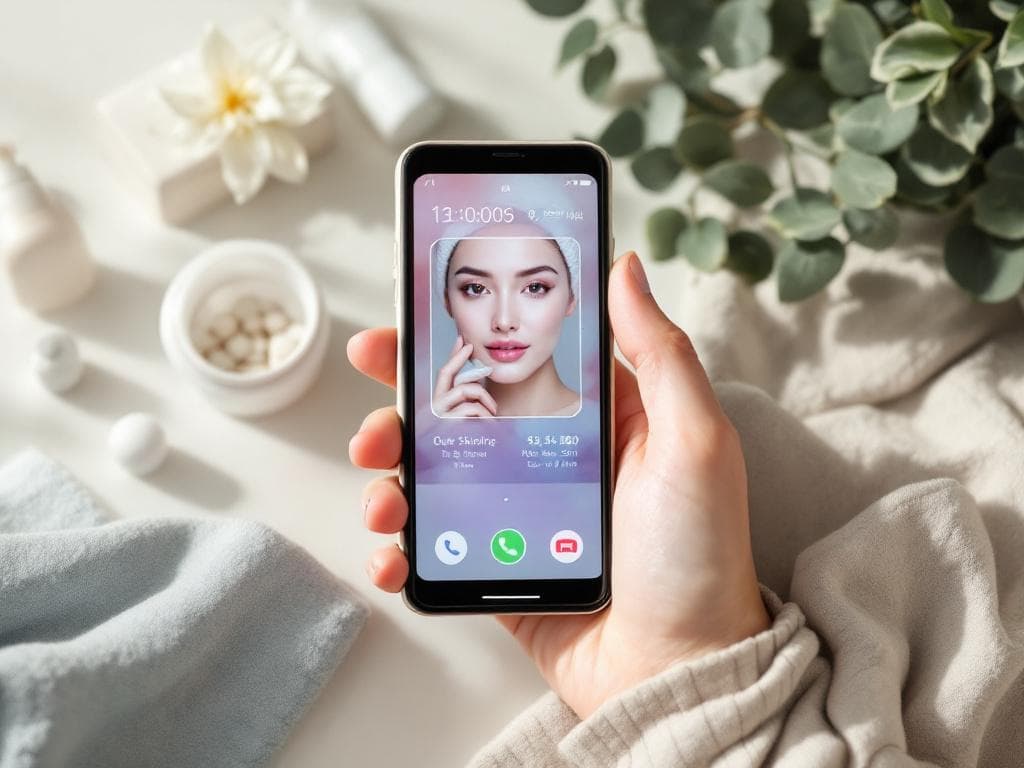
Within the skincare industry, the demand for personalized care continues to grow. Real-time analysis serves a critical role in meeting these unique needs by providing timely and relevant skin assessments and product recommendations. The ability to instantly assess a user's skin condition through camera input and sensors is a game-changer. This level of interactivity not only enriches the user experience but also enhances trust and loyalty, vital in the competitive skincare app environment.
Real-time product scanning capabilities allow users to match their skin type and needs with the most suitable skincare products. Imagine a scenario where a user can scan a product barcode and immediately receive customized insights about how that product fits into their skincare routine, all based on their historical app interactions. This immediacy fosters a more engaging and interactive experience, setting the stage for meaningful user engagement and long-term app success.
Several skincare apps are already leveraging these features. Apps utilize real-time data to track changes in skin condition, suggest products that address current skin concerns, and even alert users when it's time to apply a product, based on personalized schedules. By tapping into the power of real-time analysis, skincare apps are poised to offer unprecedented levels of personalization that resonate deeply with today's consumers.
Integrating Real-Time Analysis in Mobile App Development
Integrating real-time analysis into mobile app development involves a careful and structured approach. Developers must begin with comprehensive planning, outlining project goals, and identifying specific metrics to track. Selecting the appropriate data analytics tools is equally crucial; these tools must align with the app's intended functionalities and objectives.
Once the right tools are chosen, the next step is integrating analytics into the app architecture. This requires seamless coding and testing to ensure that data is efficiently captured and processed in real-time. Testing is a crucial stage, allowing developers to fine-tune the analytics setup and iron out any potential kinks before a full-scale launch.
Despite the powerful benefits, integrating real-time analysis isn’t without challenges. Data privacy concerns are paramount. Developers must ensure that user data is handled securely, using encryption methods to safeguard sensitive information. Resource allocation can also pose a hurdle; real-time analysis demands significant processing power and storage, which can strain existing resources.
Overcoming these issues involves a combination of strategic planning and technological savvy. Developers can tackle resource allocation challenges by optimizing code efficiency and leveraging cloud-based solutions for data storage and processing. By taking a comprehensive and strategic approach, developers can capitalize on the benefits of real-time analysis while maintaining seamless and secure app performance.
Developer Tools for Real-Time Analysis
A variety of developer tools are available to facilitate real-time data processing and analytics. Firebase, Amplitude, and AWS Mobile Analytics are among the top-tier platforms widely used to empower developers with analytical insights. These tools provide robust support for integrating real-time feedback and analytics into skincare apps, crucial for app success and user satisfaction.
Firebase, for instance, offers a wide array of analytics capabilities, helping developers track user interactions and behaviors in real-time. Similarly, Amplitude allows for intricate user journey tracing, helping apps adapt to user needs dynamically. AWS Mobile Analytics provides scalability and reliability, catering to apps with rapidly growing user bases.
Effectively employing these tools involves leveraging software development kits (SDKs) and application programming interfaces (APIs) to streamline the development process. This allows developers to integrate real-time analysis features without overwhelming existing resources, smoothing the path from concept to execution.
Best practices in utilizing developer tools include regularly updating SDKs to take advantage of new features, conducting frequent testing, and ensuring seamless API integration. Through these steps, skincare apps can harness the full power of real-time analysis, paving the way for more engaging, interactive, and personalized user experiences.
Real-Life Examples and Case Studies
Several skincare apps have successfully utilized real-time analysis to great effect, offering illuminating insights into this technology's potential. Take, for instance, an app that employs real-time camera input to assess a user’s skin condition. By providing instant feedback and personalized product recommendations, the app enhances the user experience, fostering loyalty and trust among its user base.
A closer look at various case studies reveals tangible improvements in user engagement and customer satisfaction within these apps. For example, one case study highlighted a skincare app that introduced real-time notifications to remind users to apply products, based on personalized skin care regimes. This resulted in a significant uptick in user engagement and retention.
Moreover, apps that incorporate user feedback into their real-time analytics loop often see notable improvements, as demonstrated in multiple case studies. Applications that adapt based on user interactions and feedback can fine-tune their services, resulting in a more satisfying user experience and a competitive edge in the marketplace. Such examples underscore the transformative impact real-time analysis can have on skincare apps, elevating them from basic tools to indispensable personal care companions.
Future Trends in Real-Time Analysis and Mobile App Development
The future of real-time analysis in mobile app development promises exciting developments, especially with the integration of artificial intelligence (AI) and machine learning. These technologies are set to enhance data processing capabilities, enabling apps to derive deeper insights and provide increasingly sophisticated recommendations in real-time.
Within the skincare industry, these advancements could lead to the development of highly personalized skincare regimes that adapt not only to users’ immediate needs but also anticipate future skin care requirements based on current data and trends. Such innovations would further revolutionize the market, turning skincare apps into comprehensive wellness tools.
The broader field of mobile app development will also benefit from these advancements. We can anticipate more robust app integrations, smarter user interfaces, and enhanced user interaction metrics as analytics become more predictive and less reactive. By staying on the cutting edge of these trends, developers can ensure their apps remain relevant, engaging, and impactful.
The Transformative Potential of Real-Time Analysis
Real-time analysis is reshaping the landscape of mobile app development, particularly within the skincare sector. By harnessing this technology, apps can deliver enhanced personalization, improve user engagement, and streamline operations. As the industry continues to evolve, real-time analysis will become indispensable for developers and businesses looking to stay ahead of the competition and meet rising user expectations.
To successfully navigate this promising horizon, developers must remain committed to integrating real-time analysis capabilities. As they do so, the potential to transform not only skincare apps but the entire realm of mobile app development becomes overwhelming.
Call-to-Action
For developers and businesses eager to explore further, a wealth of resources and detailed guides are available to help integrate real-time analysis into mobile app projects. Engage with these materials to harness the full power of real-time analytics. To stay updated on the latest trends in mobile app development, consider subscribing to future blog posts or following our social channels for ongoing insights and innovations in this dynamic field.
FAQs
-
What is real-time analysis in the context of mobile apps?
Real-time analysis refers to the ability of mobile apps to process and analyze data as it is generated, with minimal delay. This provides immediate insights that can inform decisions, enhance user experience, and improve app functionality.
-
Can real-time analysis affect user privacy in skincare apps?
Yes, real-time analysis involves processing user data, which can raise privacy concerns. Developers need to implement robust measures like data encryption and compliance with privacy regulations to ensure user data is secure.
-
How can real-time feedback enhance the user experience in skincare apps?
Real-time feedback allows skincare apps to offer immediate response and guidance, such as suggesting skincare routines based on current skin conditions, or providing interactive features like product scanning for personalized recommendations.
-
What are some challenges developers face when integrating real-time analysis?
Challenges include ensuring data privacy, managing resource allocation for processing and storage, and overcoming technological limitations in app design. Developers can address these with strategies like optimization and secure data handling practices.
-
Why is real-time analysis crucial for mobile app competitiveness?
As users increasingly expect personalized and responsive interactions, real-time analysis allows apps to meet these demands, enhancing engagement, satisfaction, and retention rates, which are pivotal for remaining competitive in a saturated market.